Life in Buenos Aires El Centro
A Local’s Pace in the Paris of the South
Buenos Aires vibrates with life. When we landed we knew immediately that we wanted to experience the city less like tourists and more like residents.
We’re Drifting Dharma, and our goal is to find the soul of a place, usually starting with a good coffee and a long walk. ☕️
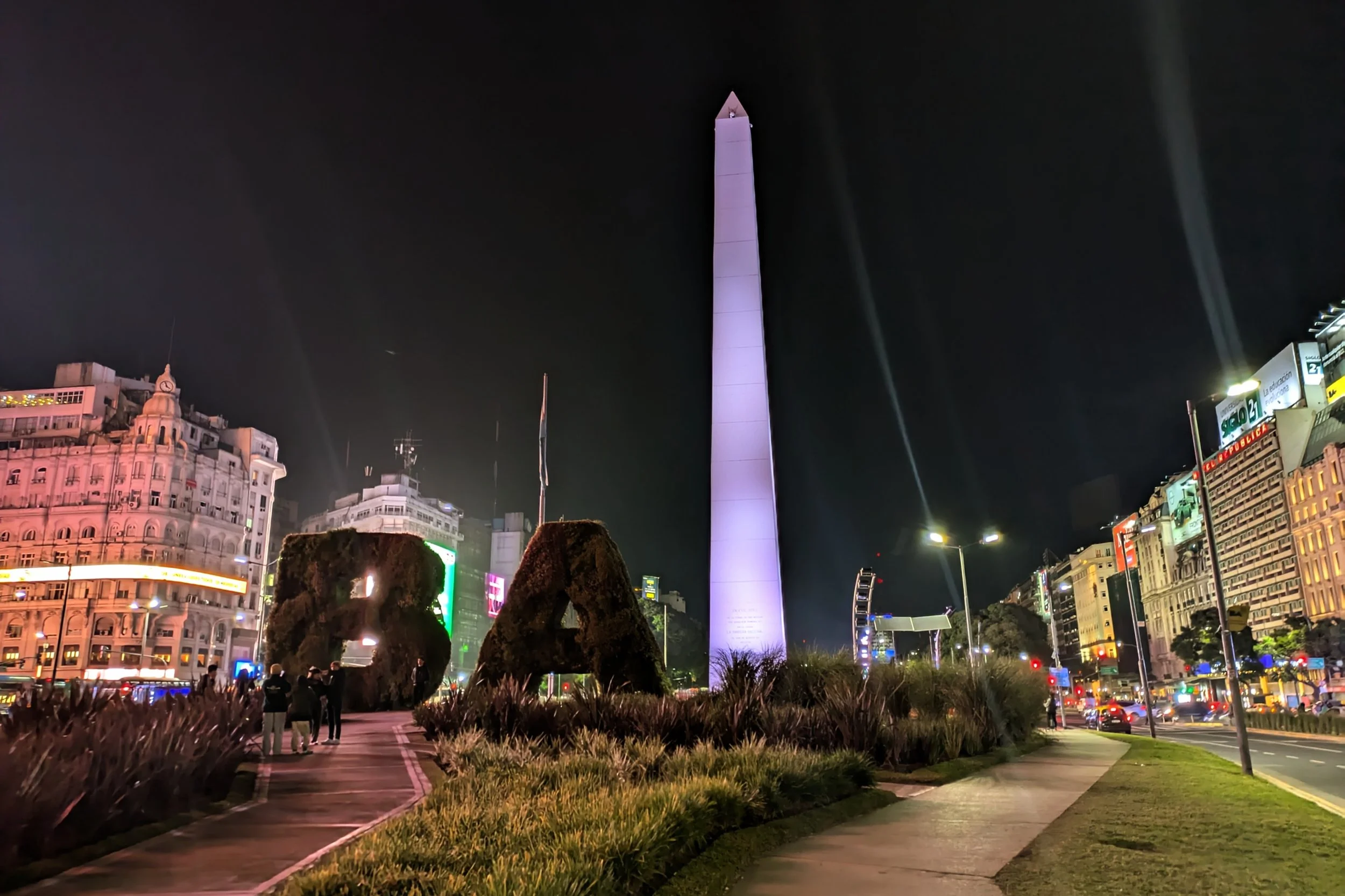
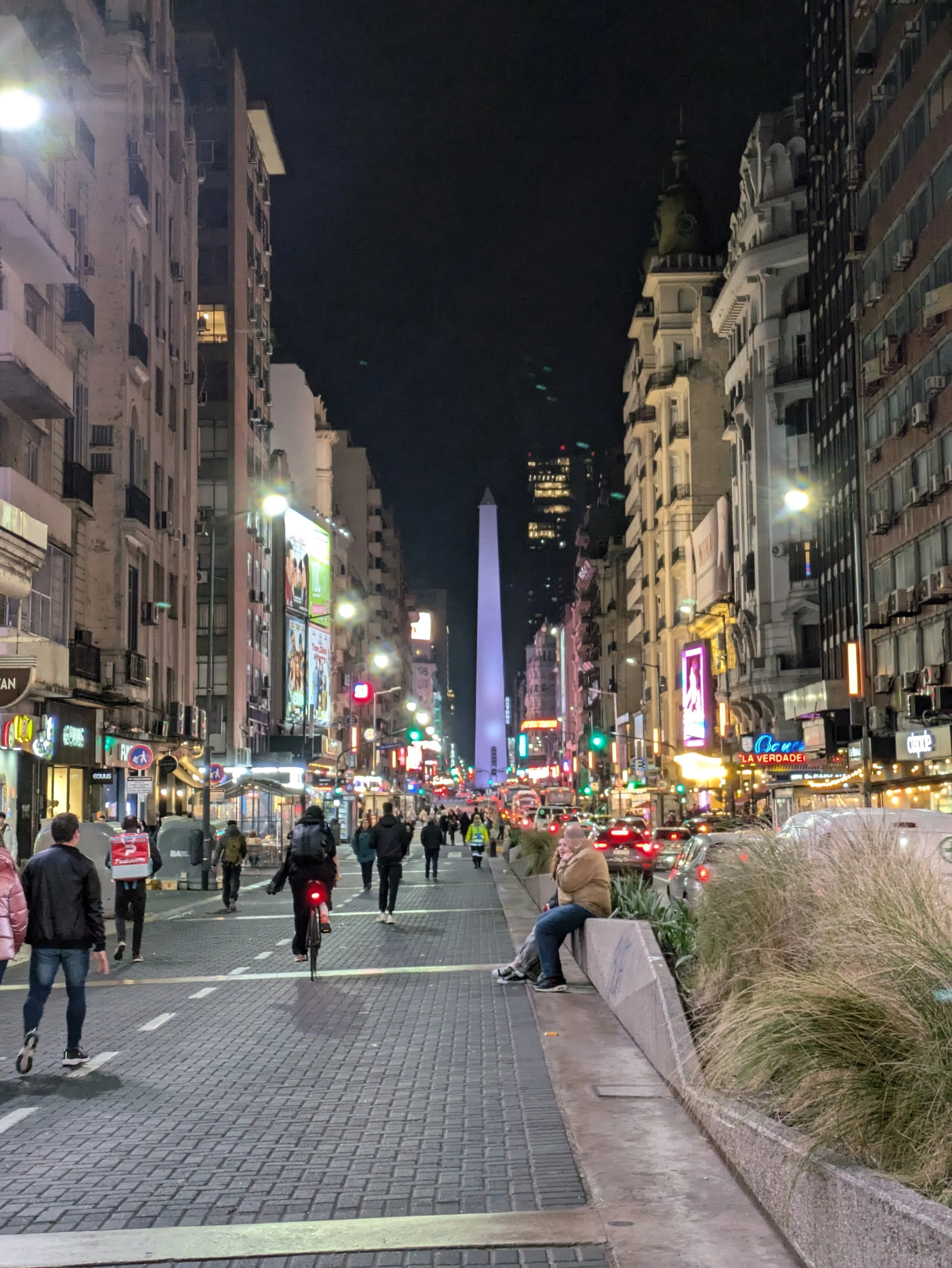
The iconic Obelisk at the intersection of Avendias 9 de Julio and Corrientes
Our Home in El Centro
While most tourists flock to Palermo or Recoleta, we chose to live in the heart of the action: El Centro. Our apartment was just two blocks from the Obelisk, the soaring white icon of the city. Being here meant we were steps away from Avenida 9 de Julio, famously known as the widest street in the world.
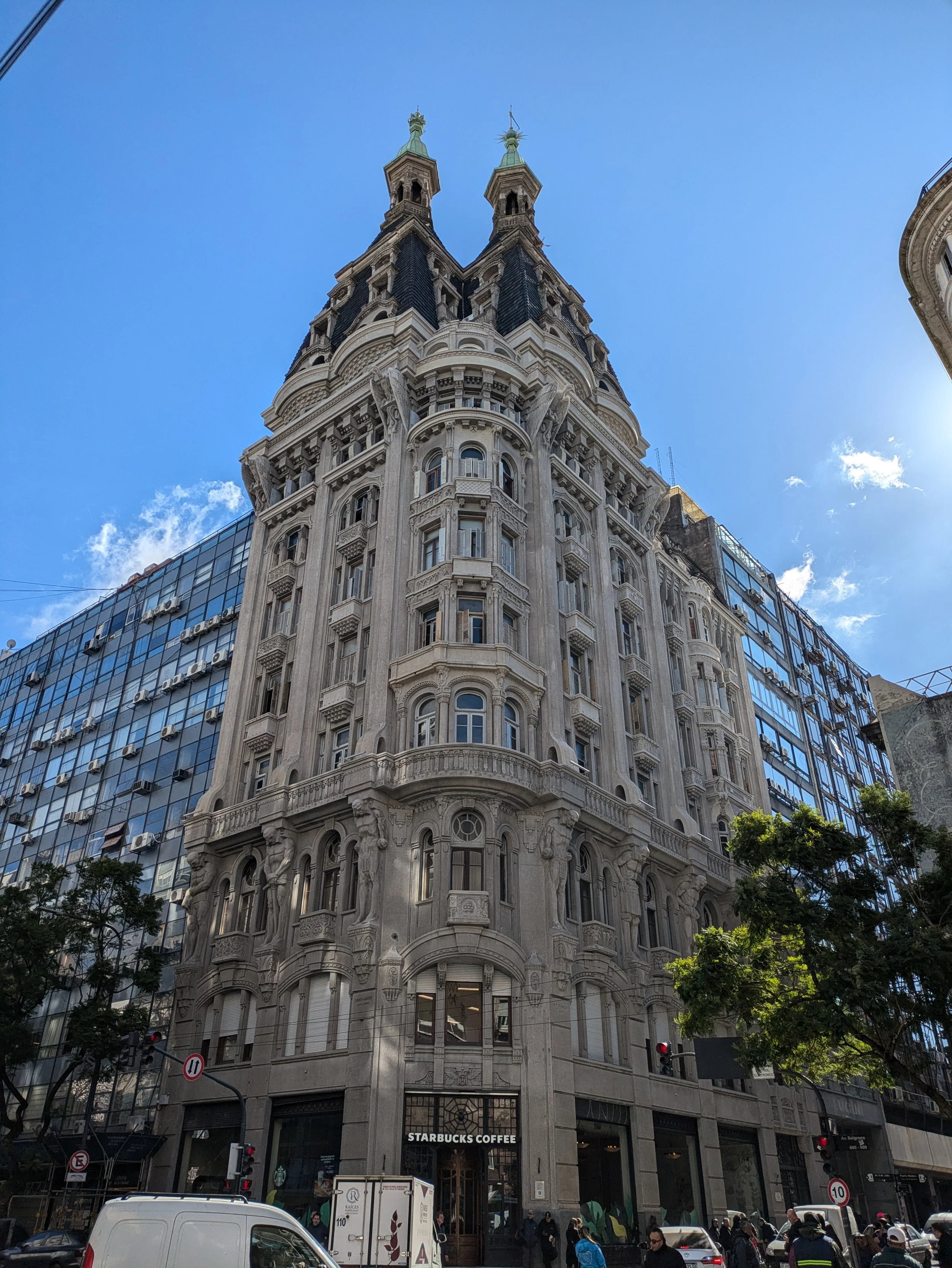
We stayed in a stunning 19th-century Art Deco building featuring one of those classic, ornate birdcage elevators. The apartment is owned by a pair of professional tango dancers who also offer tango classes! (Book a class here!)
On our first night, we stepped out for dinner and found a steakhouse nearby. The name? Tucson. Being from Tucson, Arizona ourselves, we had a good laugh. It felt like a sign that we were exactly where we needed to be.
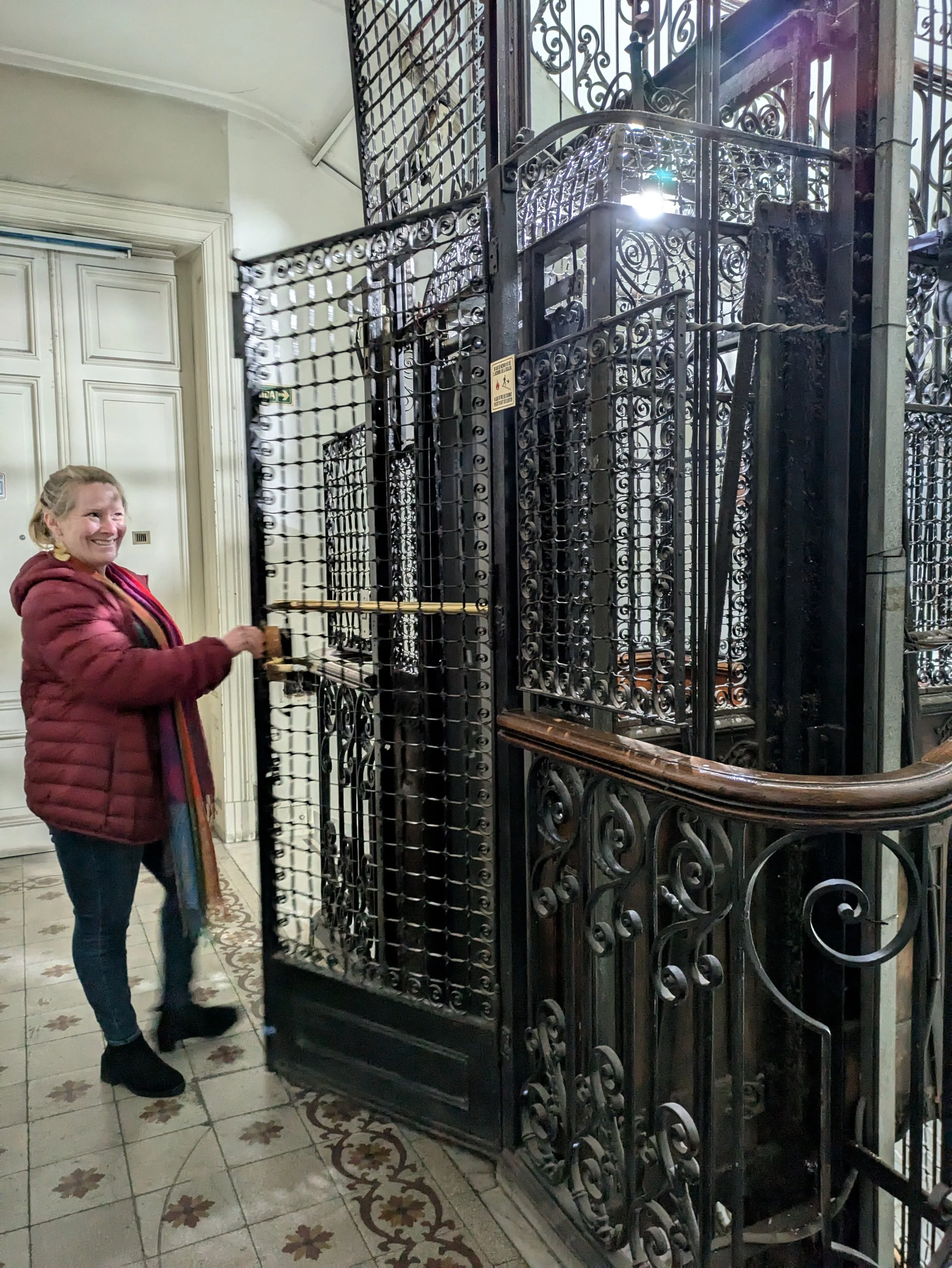
This elevator felt like a movie set

Out on the street
Revolutionary Bites
Life here starts a bit later than in the States. By 10:00 AM, the streets are a chaotic mix of cars, motorcycles, and pedestrians. You quickly learn to stay aware!
Our daily routine centered around a local coffee shop we grew to love, La Pasta Frola. My Spanish was rusty and they didn’t speak English, but they cheerfully greeted me by name by the time our visit was done!
You can’t talk about mornings in BA without mentioning the facturas (pastries). Almost every morning we enjoyed a breakfast of medialunas - crescent pastries drizzled in honey - and a cappuccino. Fun fact, the names of these pastries have revolutionary and anarchist origins dating from the time of Argentina’s independence from Spain in the 1800’s. Think: Bolas de Fraile (Friar’s Balls) or Vigilantes (named after police batons)!
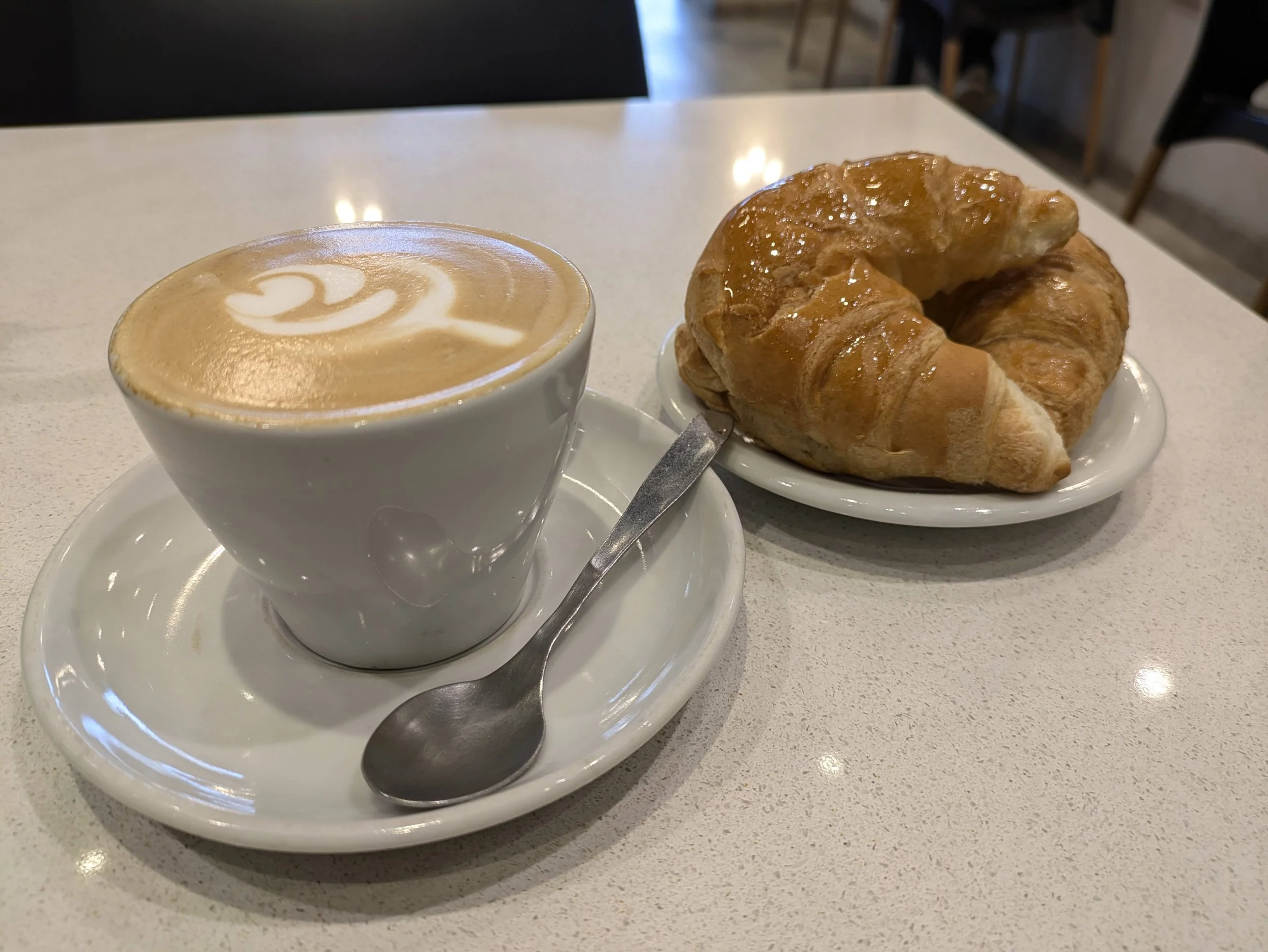
Morning medialunas and cappucino
Neighborhoods and Architecture
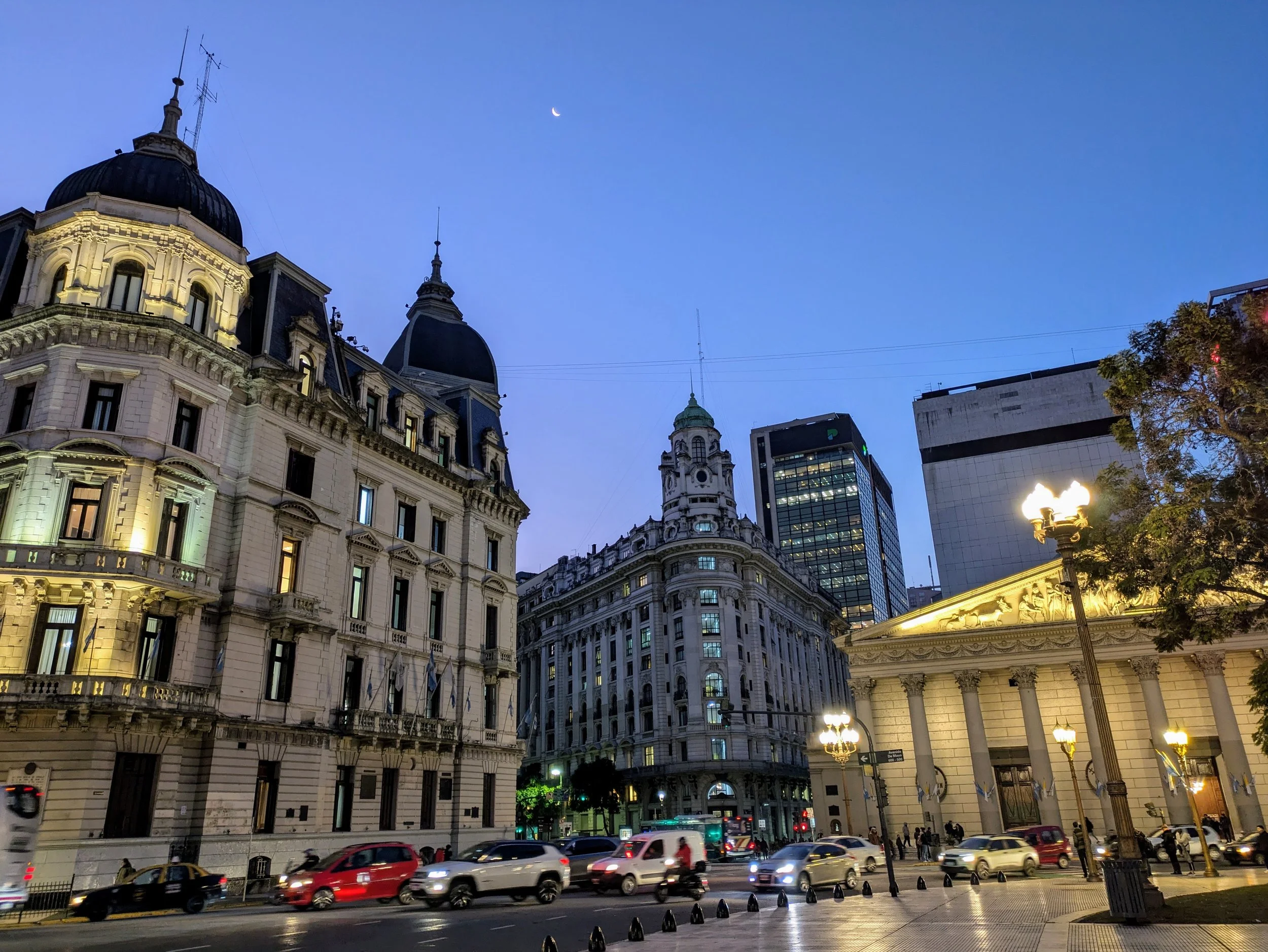
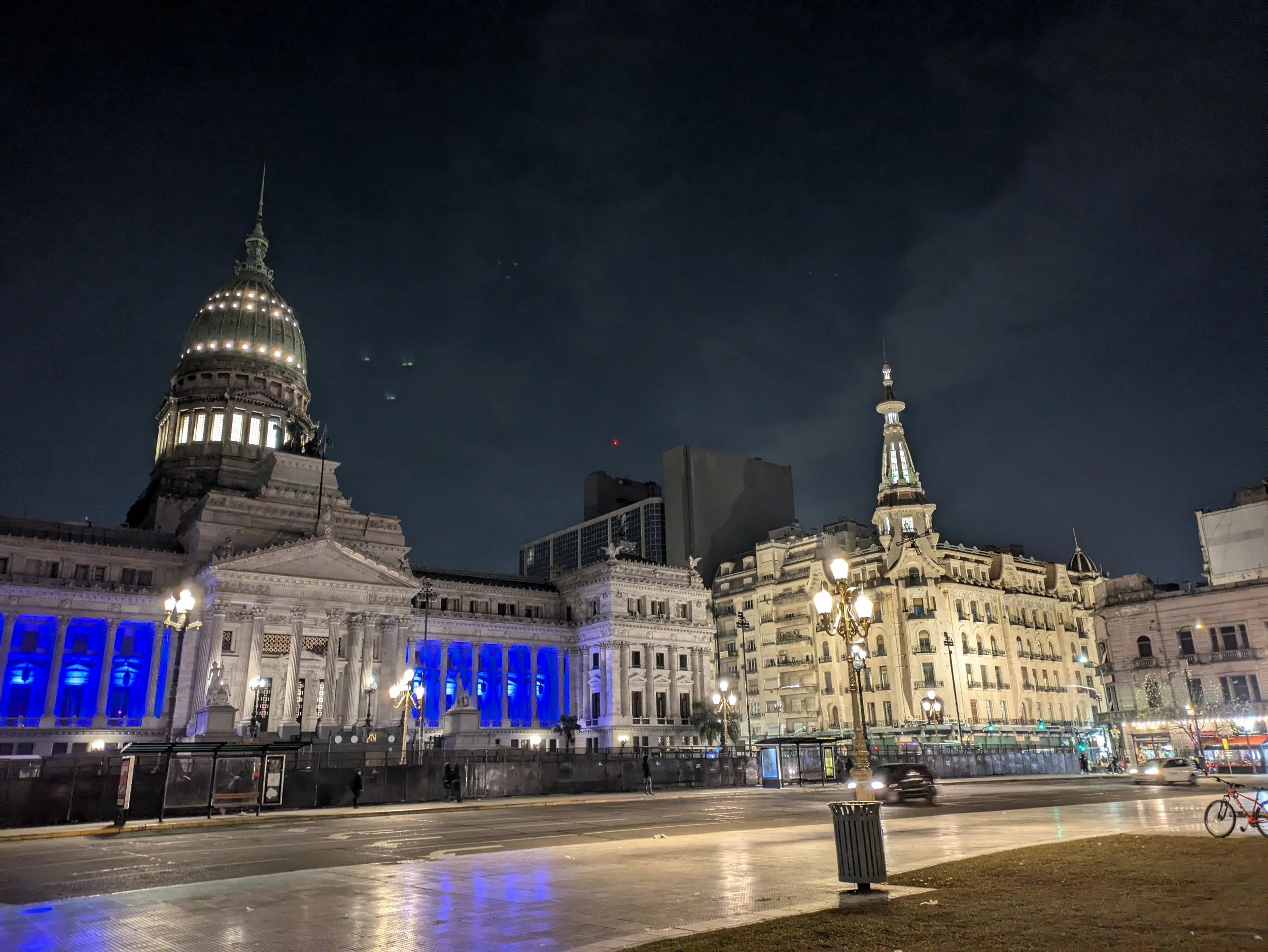
Buenos Aires is often called the "Paris of the South," but its look is actually a beautiful, eclectic mix. You’ll see strong Spanish Colonial roots blended with massive French Beaux-Arts palaces and Italian flourishes, reflecting the city's immigrant history.
We spent our afternoons wandering through Recoleta and Palermo. You’ll pass endless flower vendors, newsstands, and bookstores—Argentineans love their literature. If you need snacks or essentials, keep an eye out for Carrefour Express; they are the reliable neighborhood "mini-marts" found on almost every block.
In the evenings, we often walked down Avenida Corrientes. It’s the Broadway of South America, packed with live theaters and historic bookstores. At night, they close off half the street to traffic, making room for dancers and street performers to take over.
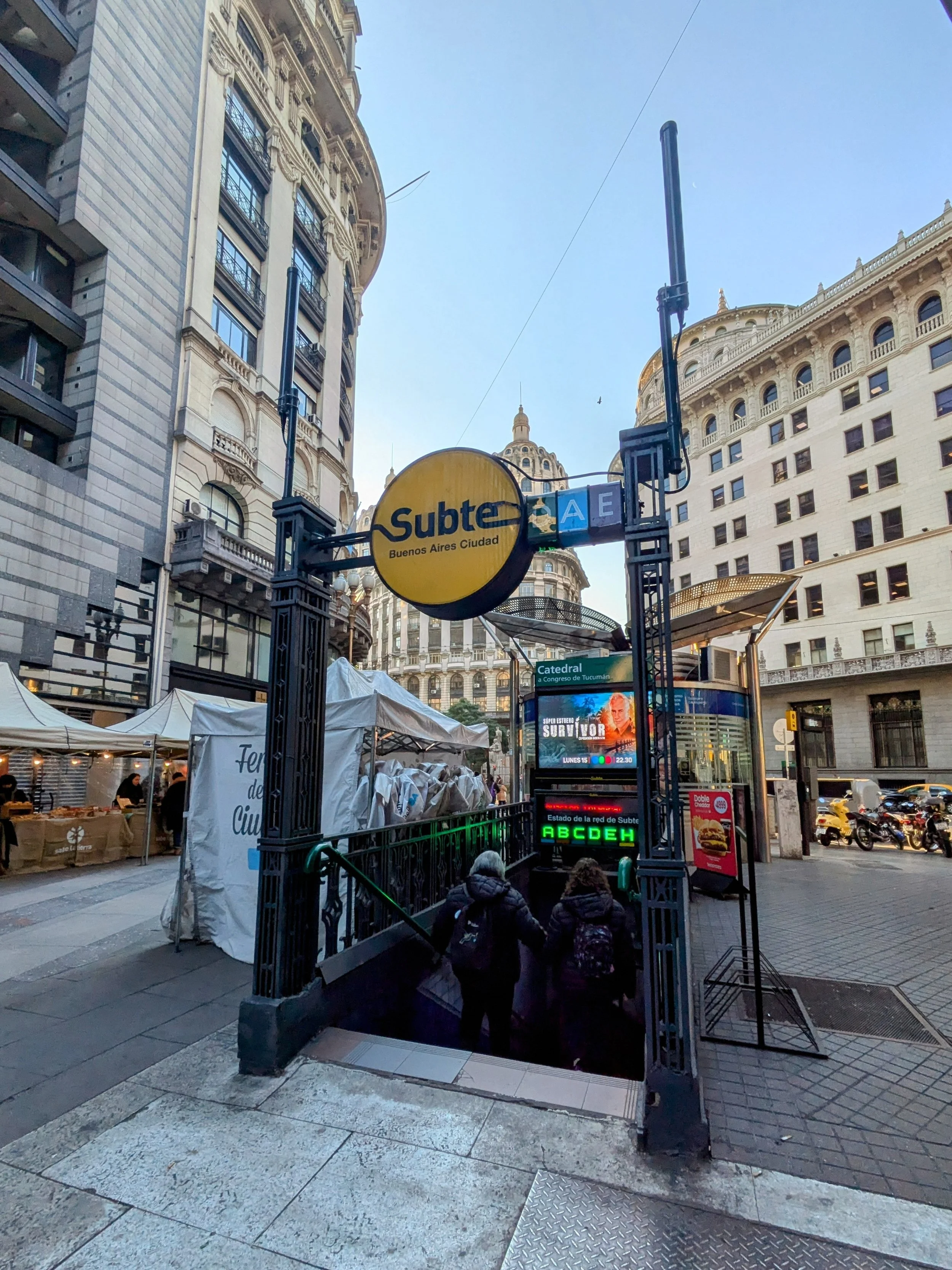
Getting Around: The Subte
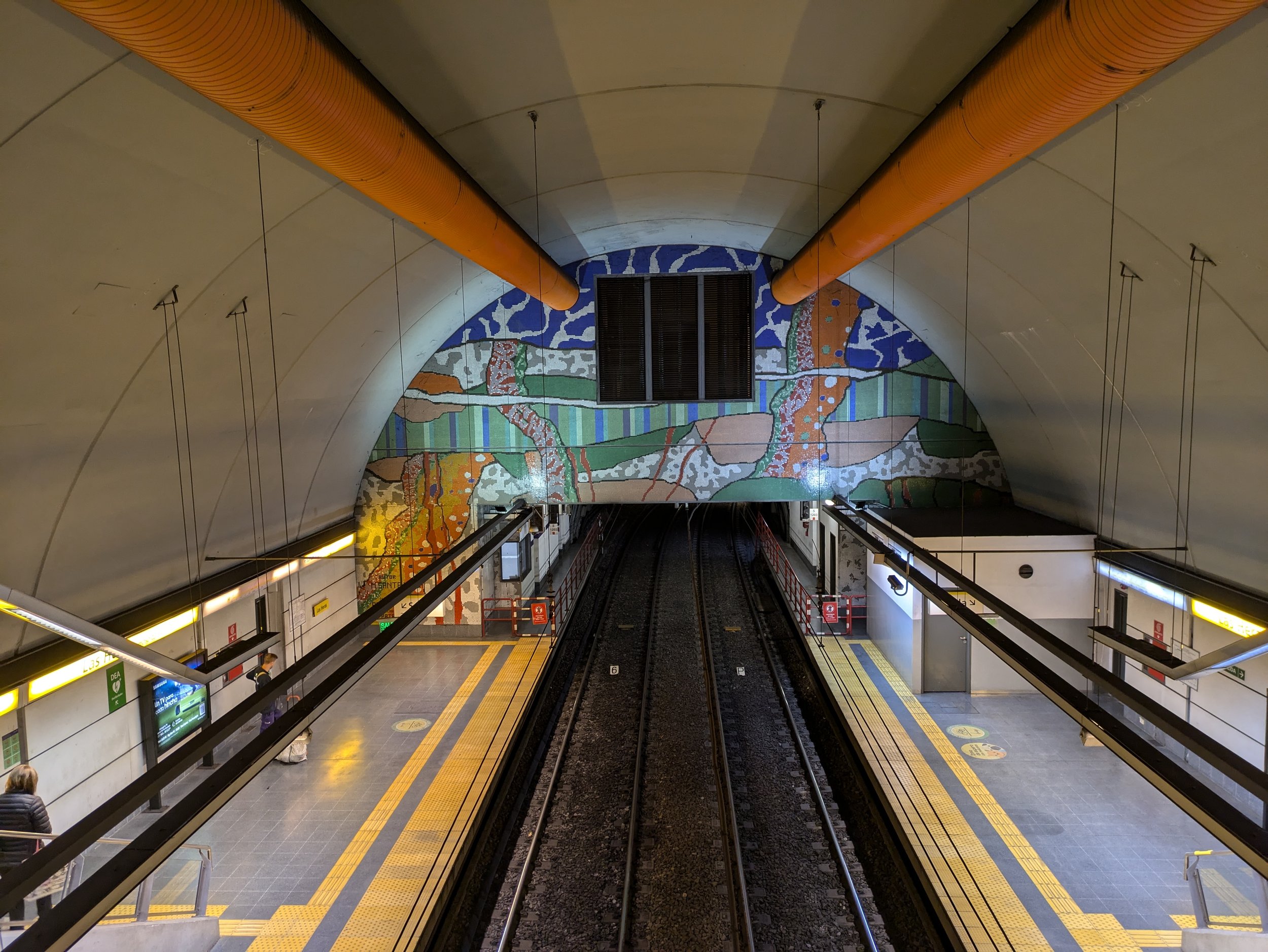
The easiest way to navigate the city is the Subte. It’s efficient, color-coded, and much faster than fighting traffic on the surface.
The Subte Card: To ride, you must have a Subte card. You can buy and top these up at most "Kioskos" (small street-side convenience stores) or at the stations.
One for All: Fortunately, you only need one card for a couple; you can tap it twice to let both people through the turnstile.
Navigation: The lines connect major hubs like the Obelisk to the greener parks of Palermo and the historic Recoleta Cemetery.
Dinner: Beyond the Steak
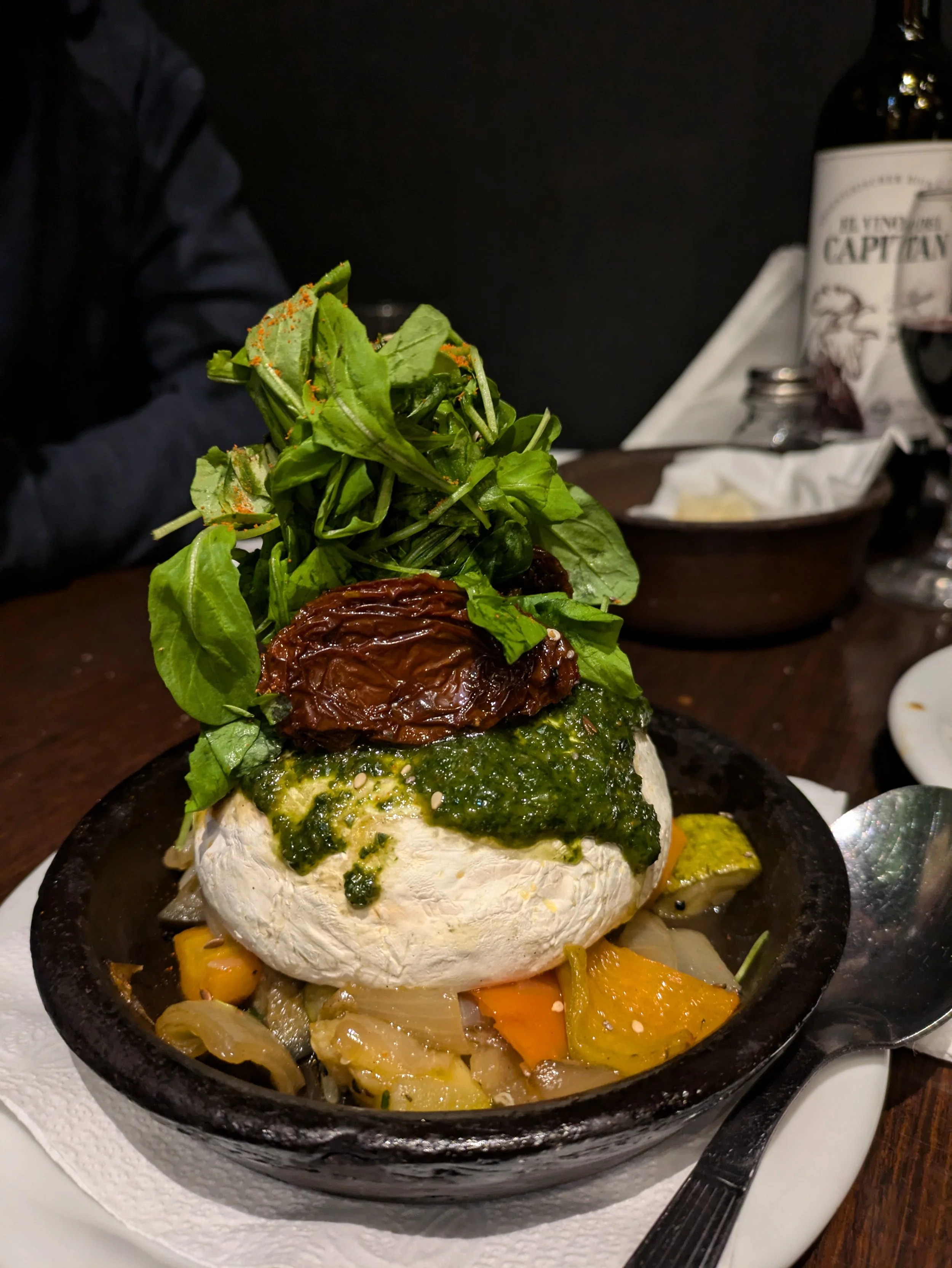
While the steak is world-class, Argentine food is heavily influenced by Italy. We found ourselves eating just as much Burrata as we did beef!
The pizza here is unique — specifically the Fugazzeta. It’s a thick, "de molde" crust stuffed with an incredible amount of mozzarella and topped with sweet, charred onions. If you aren't in the mood for pizza, the Milanesa (a breaded, fried meat cutlet) is a national staple you'll find on almost every menu.
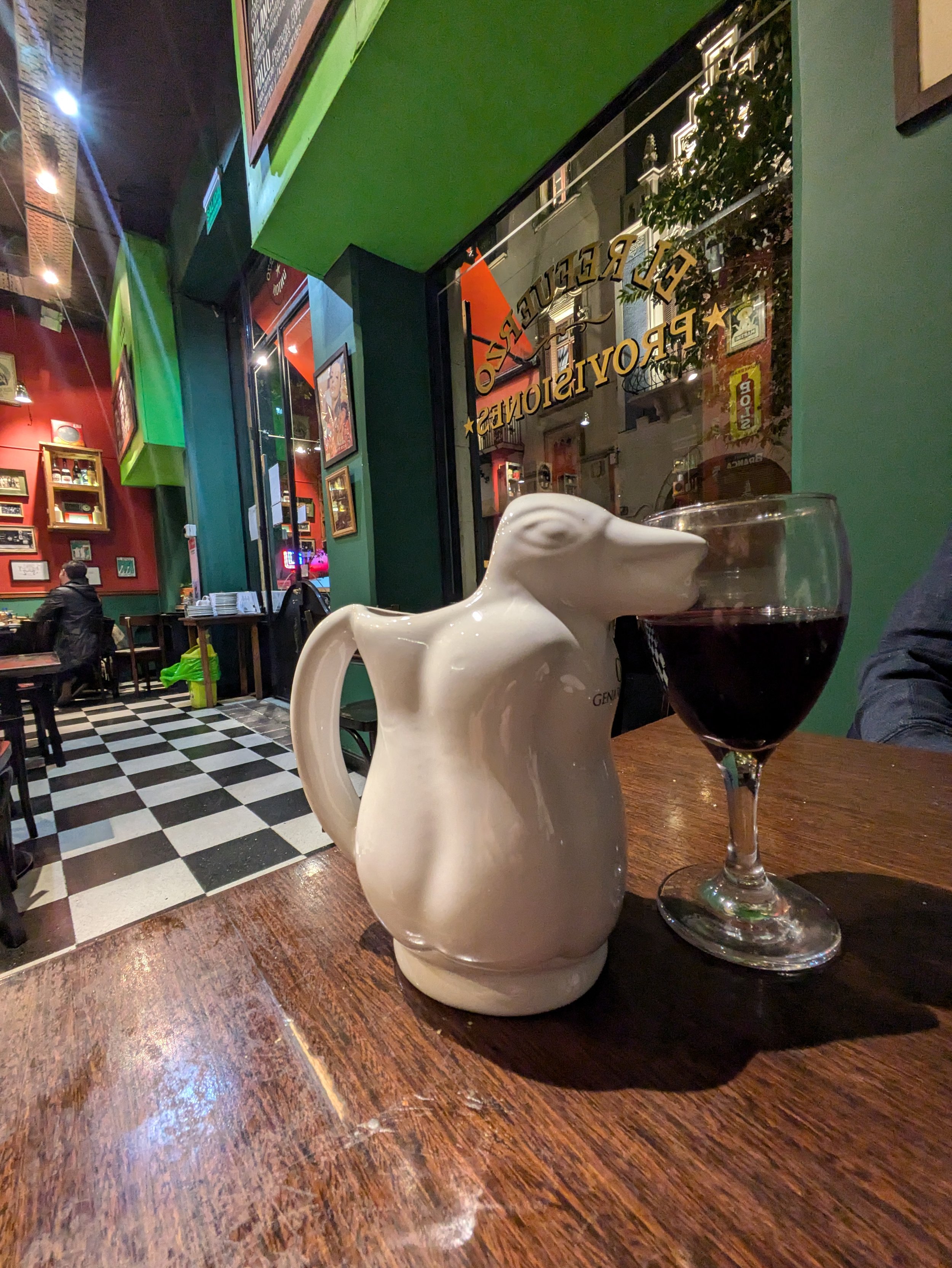
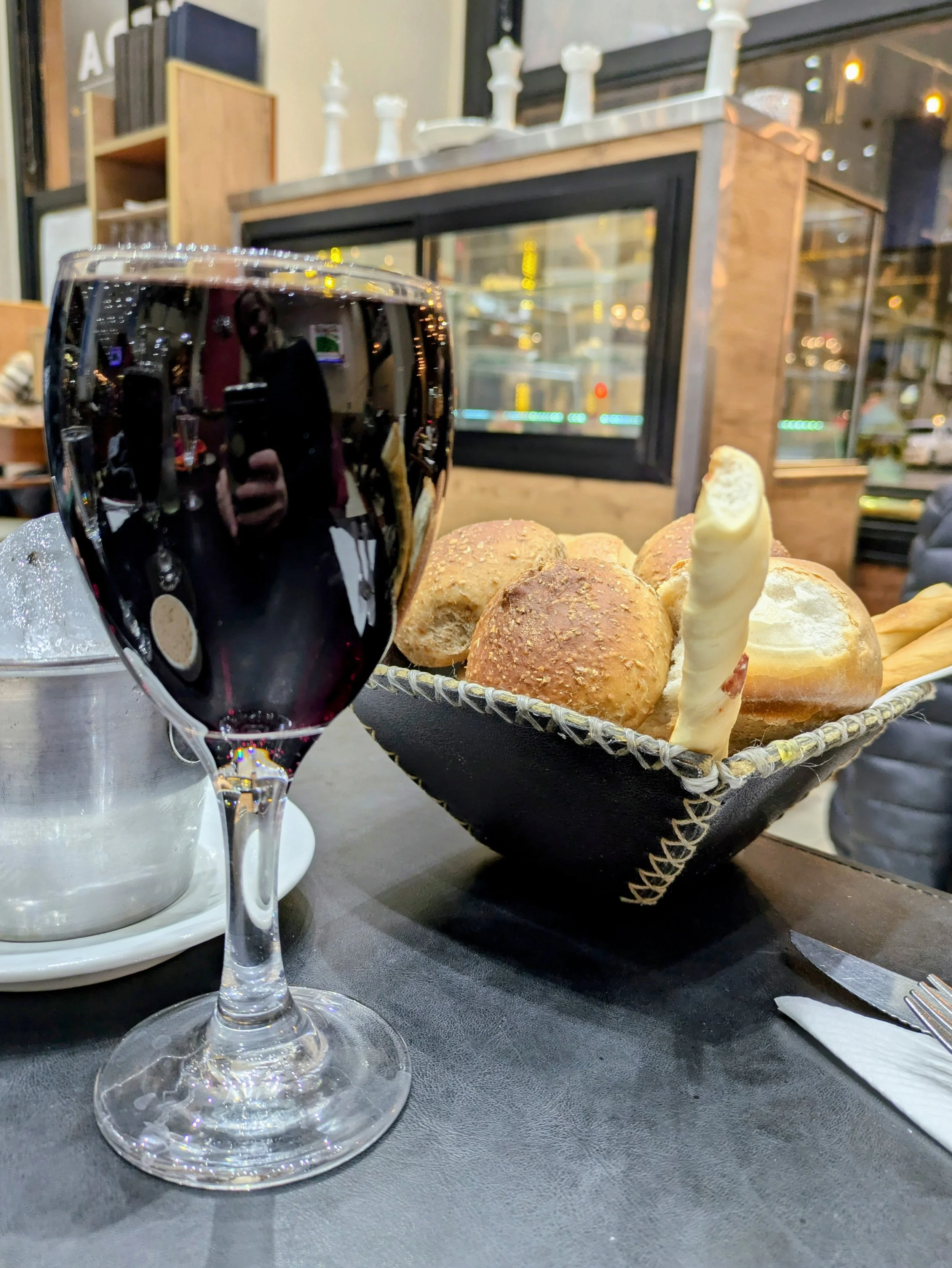
Of course, no dinner is complete without the wine, often served in ceramic pinguinos. Argentina is world-famous for its Malbec, but keep an eye out for other reds like Bonarda or Cabernet Franc—they are high quality and incredibly affordable here.

Practical Travel Tip: Spend Smarter
Money in Argentina moves fast. While older guides might suggest bringing stacks of USD, things have changed.
Credit Cards: Most places now accept foreign cards and give you a very competitive "Tourist" (MEP) exchange rate automatically. It’s the easiest way to pay.
The "Cash Discount": Always ask if there is a discount for efectivo (cash). Many restaurants and shops will give you 10–20% off if you pay in pesos, so it’s worth keeping some on hand for smaller spots.
ATMs: Still the least favorite option due to high fees and low withdrawal limits. If you can, use your card for big purchases and save your cash for the local spots.
Buenos Aires is a city of rhythm, from the tango on Corrientes to the late-night coffee culture. we found it was the perfect place to drift for a while!
Love the Drifting Dharma style?
We don't just travel; we curate. If you’re looking for a bespoke itinerary or a professionally managed retreat in South America, we’d love to help you get started.
